


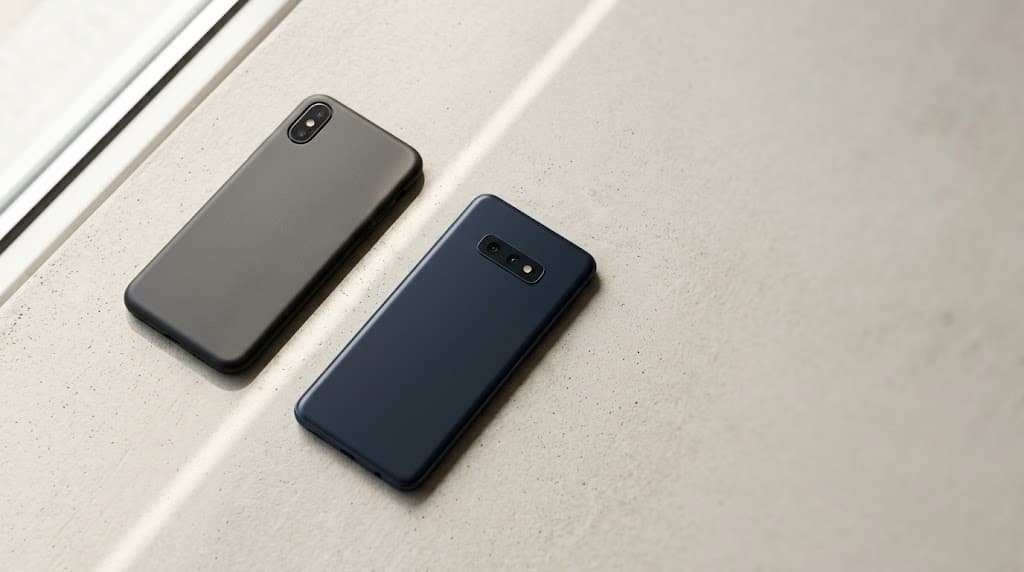
This comparison gets treated as a personality question — an iPhone person versus an Android person — when the actual decision usually comes down to something far less about identity and far more mechanical: what other devices you already own, and how deeply you are already invested in one ecosystem’s messaging, photos, and purchased content.
This guide is built around that practical reality rather than feature checklists, since most individual features on either platform have a rough equivalent on the other — the real differences show up in how the phone fits into everything else you already use. Comparing individual features in isolation, the way most reviews do, misses the factor that actually predicts long-term satisfaction with the choice.
Who This Is Actually For
This is for anyone choosing between the two platforms for their next phone, particularly someone switching from one to the other for the first time. It assumes no strong existing preference and works through the practical factors that should actually decide it.
If you already own other Apple devices — a Mac, an iPad, an Apple Watch — or you are already deep into an Android manufacturer’s ecosystem with a smartwatch or tablet from the same company, Section 5 addresses why that existing investment should weigh more heavily than almost any feature comparison in this article. Starting from a genuinely blank slate with no existing devices in either ecosystem changes the calculation, and that scenario is addressed separately in the same section.
What Matters Most Here
Three things actually differentiate the platforms in daily use: ecosystem integration with other devices, software update support length, and customization versus uniformity. Camera quality and raw performance are deliberately not on this list — at any given price tier, both platforms produce phones with genuinely comparable camera and performance capability, and the gap between a good iPhone and a good Android phone at the same price is narrower than marketing from either side suggests.
Ecosystem integration is how smoothly a phone works with other devices you own — a laptop, a smartwatch, a tablet. Software update support length determines how many years the phone continues receiving security patches and new features before it is effectively frozen. Customization is how much control you have over the phone’s appearance and default behavior versus how uniform and locked-down the experience is. Each of these three is covered in its own section below, since they pull in somewhat different directions depending on what you already own and how you actually use a phone day to day.
How They Compare
iPhones run one consistent operating system across a narrower range of hardware, which produces a more uniform experience across models but less flexibility to customize how the phone looks and behaves — default apps for browsing, messaging, and email can be changed only within limits Apple sets, and the overall visual style is more locked to Apple’s design choices.
Android spans a much wider range of manufacturers and price points, from budget phones costing a fraction of a flagship price to devices that compete directly with premium iPhones. This range is Android’s core strength and its core complication: the experience varies significantly by manufacturer, and features, update timelines, and even basic app defaults can differ meaningfully between an Android phone from one company and one from another, in a way that is simply not true across iPhones.
Cross-device features work differently on each side. Apple’s ecosystem features — copying on one device and pasting on another, answering calls from a laptop, seamless photo and file sharing between Apple devices — work reliably specifically because Apple controls both the phone and the other devices they connect to. Android’s cross-device features, particularly Google’s own tools, work well across most Android phones and Windows computers, but the tightest integration on Android specifically comes from staying within one manufacturer’s ecosystem — a phone, watch, and tablet from the same Android manufacturer talk to each other more smoothly than mixing brands within Android does.
The Deciding Factor
What other devices you already own should decide this more than any feature on either platform, and it is the factor most comparisons underweight in favor of camera specs and processor benchmarks.
Someone who already owns a Mac, an iPad, or an Apple Watch gains real, daily-use value from an iPhone specifically because those devices work together in ways that require staying within the same ecosystem — switching to Android does not just mean learning a new phone, it means losing integration with devices already owned unless those are replaced too. The same logic applies in reverse: someone already invested in a Windows laptop and a smartwatch from a specific Android manufacturer gains more from staying within that ecosystem than from switching to an iPhone, regardless of any individual iPhone feature that looks appealing in isolation.
Starting from genuinely no existing devices in either ecosystem is the one scenario where this factor does not apply, and in that case the other factors in this article — update support, customization preference, and budget — should carry more weight instead.
Other Details Worth Knowing
Software update support length has historically favored iPhones by a meaningful margin — Apple has generally supported iPhones with software updates for five to six years or longer after release. Android update support has traditionally varied widely by manufacturer, though the gap has narrowed in recent years as some manufacturers have extended their own commitments closer to Apple’s historical range — checking the specific update policy for the exact phone and manufacturer being considered, rather than assuming a platform-wide default, is worth doing before purchase since this varies by model even within Android.
Messaging between platforms remains a genuine friction point specifically for group chats and media quality — messages between an iPhone and an Android phone use a different, more limited protocol than messages between two iPhones, which affects group chat features and media compression in ways that are not fully resolved by switching either device individually, since it depends on what everyone else in the conversation is using.
Resale value has historically trended higher for iPhones than for most Android phones at a comparable age and condition, which matters specifically if you plan to sell or trade in the phone within a few years rather than using it until it fails. This gap has narrowed somewhat for flagship Android models from manufacturers with strong reputations, but it remains a real consideration for anyone who upgrades regularly and depends on trade-in value to offset the cost of a new phone.
Common Regrets and Mistakes Buyers Make
Switching platforms without accounting for already-purchased content and existing device integration is the most common regret — apps, subscriptions, and accessories purchased within one ecosystem often do not transfer cleanly to the other, and the cost of replacing them is easy to underestimate when focused on the new phone itself rather than everything connected to the old one.
Choosing an Android phone based on flagship reviews while actually buying a budget or mid-range model from a different manufacturer is the second common mistake — Android’s biggest strength, the range of price points, is also why a glowing review of one Android flagship says very little about a budget phone from an entirely different manufacturer, in a way that is less true when comparing different iPhone models to each other.
Underestimating how much daily friction comes from cross-platform messaging in a group of friends or family who use the other platform is the third — this is a genuinely common source of post-switch regret that has little to do with the phone itself and everything to do with the people already communicating on the other platform.
If Your Needs Are Different
If budget flexibility matters most — wanting options from very inexpensive to very premium within one search — Android’s range serves this better than iPhone’s comparatively narrower price spread, since Apple offers fewer distinct price tiers at any given time.
If deep customization of the phone’s appearance and default behavior matters — changing how the home screen looks, setting different default apps freely, more granular control generally — Android accommodates this in ways iOS deliberately does not, and this is a genuine, lasting difference rather than one that narrows with software updates.
If minimizing decision fatigue and cross-model inconsistency matters most — wanting a phone that behaves predictably regardless of exactly which model is purchased — iPhone’s narrower, more consistent lineup serves this better than Android’s wider range, where the experience can differ meaningfully between manufacturers even at similar price points.
Is It Worth the Price
At the premium end, both platforms deliver comparable core capability for the price paid, and the premium tier’s added cost on either side buys similar things: better cameras, faster processors, and nicer build materials relative to that platform’s own budget options — not a fundamentally different phone experience.
At the budget end, the platforms diverge more meaningfully: budget Android phones offer more genuine capability per dollar spent than Apple’s lowest-cost current offering, specifically because Android’s budget tier has more manufacturers competing directly on price, while Apple maintains fewer price tiers with less direct competitive pressure at the low end.
Getting the Most Out of It
Before switching platforms, audit what is actually tied to the current ecosystem — purchased apps, an active family sharing plan, smart home devices, a paired smartwatch — since this list, not the new phone’s feature set, determines how disruptive the actual switch will be.
If staying within the current platform, checking the specific model’s software update commitment before purchase — not the platform’s general reputation, but the specific manufacturer and model — avoids buying a phone that ages out of security updates sooner than expected.
If group messaging friction with the other platform is a known issue among friends or family, a third-party messaging app that both platforms can use consistently resolves most of the practical friction without requiring anyone to switch phones.
Closing Note
The honest takeaway is that this decision is less about which platform is objectively better and more about which one fits the devices, habits, and people already surrounding you — that fit determines daily satisfaction more than any spec comparison between the two.
Before deciding, list every other device you currently own and use regularly. That list, more than any feature in this article, should determine which platform actually serves you better.